Apple's Camera AirPods Hit Final Testing Phase in Ambient AI Push
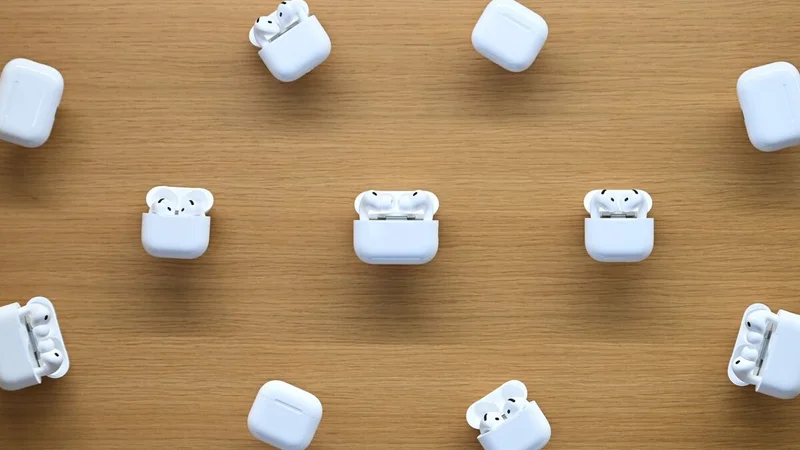
Image: Bloomberg AI
Main Takeaway
Apple enters late-stage testing for camera-equipped AirPods that could turn every earbud into an AI vision device, moving toward 2027 production.
Jump to Key PointsSummary
What Apple is building
Apple has reached the final testing stage for AirPods with integrated low-power cameras, according to multiple reports citing supply chain sources. The devices would embed tiny sensors, likely IR cameras rather than full RGB modules, into the familiar white stems, enabling spatial awareness and AI-powered environmental understanding without the social awkwardness of smart glasses. Bloomberg's Mark Gurman reports that Apple has moved past prototype phase and is now validating manufacturing processes for what could ship as early as 2027.
How the cameras will work
The camera modules appear purpose-built for AI vision rather than photography. Sources describe infrared sensors that map 3D spaces, track hand gestures, and feed data to on-device Apple Intelligence for contextual assistance. Think of it as giving Siri actual eyes, your earbuds could identify objects, read signs, or help navigate without pulling out your phone. The Verge notes this aligns with Apple's broader strategy of making AI invisible rather than creating dedicated AI gadgets.
Why this matters for ambient computing
This represents Apple's most aggressive push yet into always-available AI hardware. Unlike failed wearables that required behavioral change, AirPods already live in millions of ears daily. The camera integration would transform a music accessory into an ambient intelligence layer, potentially leapfrogging Meta's Ray-Bans and Google's failed Glass by piggybacking on an existing habit. As Appleinsider frames it, this could be the Trojan horse that makes AI vision mainstream.
The technical mountain ahead
Cramming cameras into 5mm stems presents serious engineering challenges. Battery life becomes the critical constraint, current AirPods Pro last 6 hours, and vision processing could slash that to minutes without breakthrough efficiency. Heat dissipation, privacy concerns, and the social stigma of "always recording" devices all need solving. Techradar's skeptical take suggests Apple might need to ship a companion pendant or case battery to make this practical.
What happens next
Apple reportedly plans to begin small-scale manufacturing trials in late 2026, with broader production ramping through 2027. The camera AirPods would likely debut alongside updated Apple Intelligence features and could serve as a stepping stone to the company's long-rumored AR glasses. If testing succeeds, expect a staggered rollout, probably starting with a premium "Pro" tier before filtering down to standard models. The success of this product could determine whether Apple leads the next decade of ambient computing or cedes ground to Meta's hardware ambitions.
Key Points
Apple is in late-stage testing for camera-equipped AirPods with IR sensors, moving toward 2027 production
The cameras enable AI vision features like object recognition and spatial mapping without requiring new user behavior
Technical challenges center on battery life, heat dissipation, and privacy concerns in a 5mm form factor
This represents Apple's strategy to make AI invisible by piggybacking on existing successful hardware rather than creating new device categories
Success could establish Apple as the leader in ambient computing and accelerate development of their eventual AR glasses
Questions Answered
Sources indicate the cameras are infrared sensors designed for AI vision processing, not traditional photography. They'll map spaces and identify objects rather than capture shareable images.
This remains the biggest technical challenge. Current prototypes likely see dramatically reduced battery life, suggesting Apple may need breakthrough efficiency gains or companion battery solutions.
Manufacturing trials start late 2026 with consumer availability targeted for 2027, likely starting with premium models before expanding across the product line.
Apple appears to be addressing this through design choices—using IR sensors instead of visible cameras and focusing on processing data locally rather than recording or streaming.
Source Reliability
30% of sources are highly trusted · Avg reliability: 69
Go deeper with Organic Intel
Simple AI systems for your life, work, and business. Each one includes copyable prompts, guides, and downloadable resources.
Explore Systems