Amazon’s $77 Billion AI Spending Pushes AWS Growth Against Investor Concerns
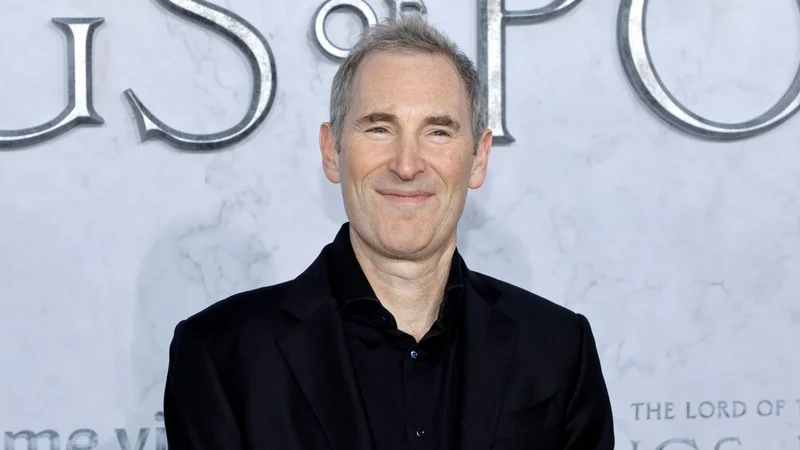
Image: TechCrunch AI
Main Takeaway
Amazon’s third-quarter revenue reached $201.9 billion as AWS grew 39.3%, but $77 billion in capital spending and weaker profit intensified investor concerns.
Jump to Key PointsSummary
Amazon’s core earnings picture
Amazon’s third-quarter results showed strong cloud growth alongside pressure on revenue, profit and cash flow. Revenue reached $201.9 billion, slightly below Wall Street expectations, while profit totaled $20.7 billion, also missing forecasts and falling from a year earlier. The profit decline reflected gains recorded in the prior year from Amazon’s investment in Anthropic.
The results landed as investors weighed a familiar trade-off: AWS is expanding quickly because of AI demand, while Amazon is funding that expansion at an extraordinary pace. Shares initially fell 5% in after-hours trading, reflecting concern that the company’s broader financial performance isn't keeping pace with its infrastructure commitment.
AWS growth validates AI demand
AWS remained Amazon’s strongest major business in the quarter, with sales rising 39.3% to $45.98 billion. The result exceeded Wall Street targets and marked the sixth consecutive quarter of steady growth, reinforcing evidence that companies are spending heavily on cloud capacity and AI services.
Chief Executive Andy Jassy described AWS as a business with a path to $1 trillion in annual revenue, an ambition he repeated during the earnings call. The target rests on continued AI-driven demand for computing infrastructure, model services and data centers. Amazon is positioning AWS against Microsoft Azure and Google Cloud while building capacity for customers that need large amounts of accelerated computing.
Capital spending reaches a new scale
Amazon spent more than $77 billion on property and equipment in the third quarter, far above analyst expectations. The spending is directed primarily toward data centers and other infrastructure needed to meet demand for AI services, making Amazon one of the largest corporate spenders in the technology industry.
Amazon reiterated that 2026 cash capital expenditures will total about $220 billion, with most directed to AWS, and Jassy said spending will rise meaningfully in 2027. He told analysts that the company sees a clear line of sight to financial returns, though repeated questions during the call showed that investors remain focused on the timing, scale and margins of those returns.
Cash flow and weaker businesses add pressure
The infrastructure push has sharply affected Amazon’s free cash flow. Free cash flow fell from positive $14.8 billion to negative $42.4 billion over the past year as capital spending accelerated. That swing gives investors a concrete measure of the cost of preparing AWS for future demand.
Amazon’s non-cloud businesses provided less support in the quarter. Advertising revenue grew 12% year over year, missing analyst expectations, while the company’s projected holiday-quarter operating profit came in below Wall Street estimates. The combination of weaker advertising performance, a softer outlook and unprecedented AI investment made the earnings report harder for investors to reward despite AWS’s strong results.
The investor debate centers on returns
Amazon’s earnings have turned its AI strategy into a test of patience for shareholders. AWS growth demonstrates that demand exists, but the company is spending before the full financial benefit appears in reported cash flow and profit. The gap between current investment and future returns is now central to how investors assess Amazon’s valuation.
Jassy’s argument is that Amazon must build capacity during a historic surge in cloud demand or risk leaving customers underserved. The counterpoint from investors is financial: a $220 billion annual capital budget, followed by even higher spending in 2027, requires sustained growth and strong utilization. The next quarters will show whether AWS revenue growth can absorb that infrastructure buildout while retail and advertising remain under pressure.
What happens next for Amazon
Amazon enters the next phase with AWS as its main growth engine and AI infrastructure as its largest financial commitment. Management has set expectations for continued capital spending, while the holiday quarter will provide a near-term test of operating profit and consumer demand.
The company’s strategy depends on turning data-center investment into durable cloud revenue, improved utilization and eventual cash generation. Investors will track AWS growth, advertising performance, operating margins, free cash flow and evidence that the spending is producing returns. Amazon’s results show that AI demand is already reshaping its finances, with the investment burden arriving before the payoff.
Key Points
Amazon reported $201.9 billion in third-quarter revenue as AWS sales climbed 39.3%.
Amazon spent more than $77 billion on property and equipment during the third quarter.
AWS growth exceeded expectations while Amazon’s profit and total revenue missed forecasts.
Amazon expects approximately $220 billion in 2026 capital expenditures, mostly for AWS infrastructure.
Amazon’s free cash flow turned negative as AI data-center investment accelerated sharply.
Questions Answered
Amazon spent more than $77 billion on property and equipment in the third quarter. Most of the broader 2026 capital budget is directed toward AWS data centers and infrastructure supporting AI services.
AWS revenue increased 39.3% to $45.98 billion in Amazon’s third quarter. The result exceeded Wall Street expectations and marked the sixth consecutive quarter of steady growth.
Amazon shares initially fell 5% after the earnings report because heavy AI spending overshadowed AWS growth. Revenue and profit missed expectations, advertising growth was weaker, free cash flow turned deeply negative and holiday operating-profit guidance disappointed investors.
Amazon expects approximately $220 billion in 2026 cash capital expenditures. CEO Andy Jassy said most of that spending will support AWS and that investment will rise meaningfully in 2027.
Amazon CEO Andy Jassy says AWS has a path to $1 trillion in annual revenue. Reaching that goal depends on sustained AI-driven cloud demand, continued AWS growth and returns from the company’s large data-center investment.
Source Reliability
67% of sources are highly trusted · Avg reliability: 81
Go deeper with Organic Intel
Simple AI systems for your life, work, and business. Each one includes copyable prompts, guides, and downloadable resources.
Explore Systems